Dentures – Chevy Chase, MD
Restore The Appearance and Function of Your Smile
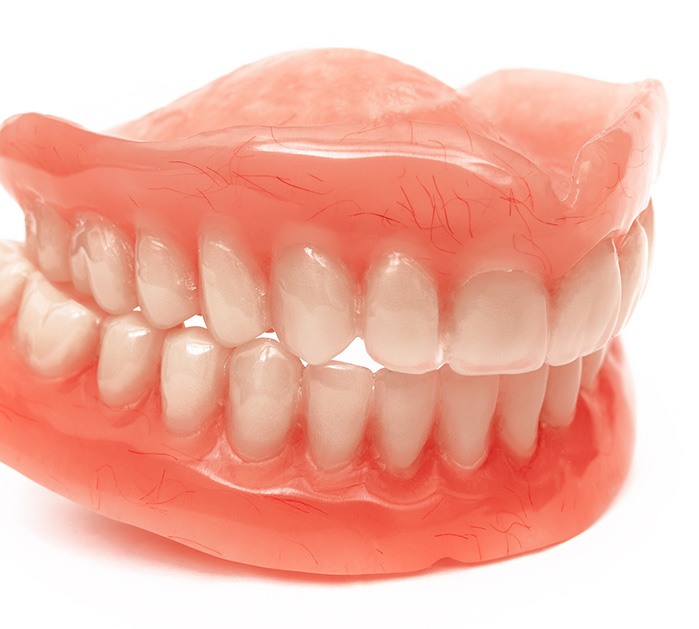
When you are missing multiple teeth, it doesn’t just affect your smile. Lost teeth can make it difficult to eat, speak, and interact with the world confidently. Without the ability to chew food thoroughly, your body is unable to get the nutrients it needs to keep you strong and healthy, and without your teeth in the correct places your speech may become impaired or slurred. Dentures can replace those missing teeth, bringing back your beautiful smile and allowing you to eat a healthier, more nutritious diet. Having a full set of teeth can also boost your self-esteem and make it easier for you to communicate with friends, family, and colleagues.
Why Choose Avant Dentistry for Dentures?
- Durable, Natural-Looking Prosthetics
- We Welcome Dental Insurance & Flexible Financing Available
- Highly Experienced Dentist
Who's a Good Candidate for Dentures?
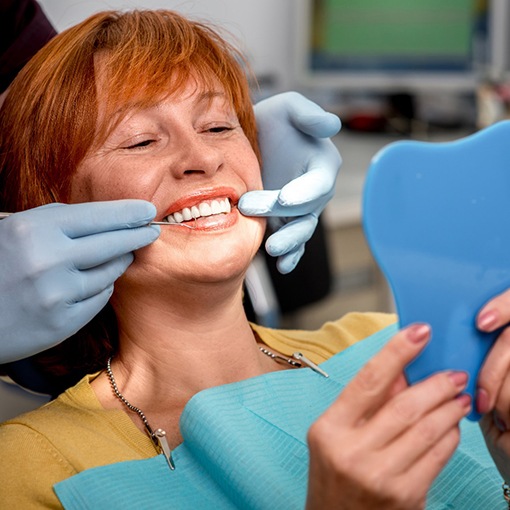
Dentures can be an effective way to restore your smile’s appearance and functionality regardless of how many natural teeth you have remaining. However, that doesn’t necessarily mean this treatment is the best way to meet everyone’s unique needs.
Before proceeding, you must consult Dr. Yu to ensure that you’re a good candidate for this service. Continue reading to learn who might benefit from dentures so you can make an informed decision to rebuild your grin after tooth loss.
Effects of Missing Teeth

According to the American Dental Association, periodontitis (advanced gum disease) is the leading cause of permanent tooth loss in adults. This can occur when bacteria in your mouth penetrate your connective tissues, resulting in an infection that, if left untreated, can eventually cause them to recede. Without a firm enough anchor, your teeth can become destabilized or dislodged. However, they can also be lost due to severe decay, damage, or physical trauma that knocks one out.
Whatever the cause, tooth loss can detract from your daily quality of life in several ways. For instance, you might feel self-conscious about the changes to your appearance, or struggle to eat and speak normally.
What Qualifies You for Dentures?
After your initial conversation and examination, Dr. Yu can make an appropriate treatment recommendation based on her findings. She might suggest dentures for patients who have:
- Suffered more significant tooth loss.
- Sensitive teeth or gums.
- Sufficiently healthy connective tissues.
- A strong enough jawbone to support this restoration.
Keep in mind that there are different types of dentures, and the right solution for you depends on your unique circumstances, like how many teeth you have lost, your oral hygiene habits, and your financial situation.
Alternative Tooth-Replacement Options
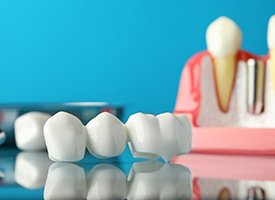
If our team in Chevy Chase determines that you’re not a good candidate for dentures right away, don’t lose hope! You might still benefit from one of the following alternative solutions:
- Dental bridge. This is an oral appliance that contains the correct number of artificial teeth (pontics) positioned between a dental crown on each end that anchors to healthy abutment teeth or dental implants on both sides of the space in your smile. This can be used to replace a single tooth or several consecutively missing teeth.
- Dental implant. This is the only restoration that is surgically placed in your jaw and eventually fuses with the bone material to become a more permanent part of your mouth. This may cost more initially, but the results tend to be more resilient and longer lasting, which can save money in the long run.
Types of Dentures
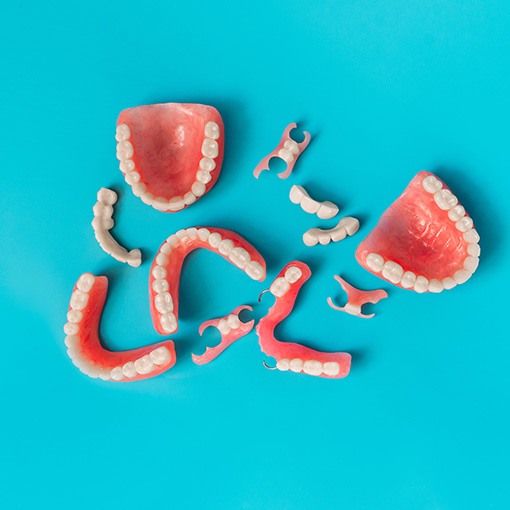
To best determine which type of denture is ideal for your smile, you’ll first need to schedule a consultation at Avant Dentistry. At this appointment, Dr. Yu will review your oral and overall health and make recommendations for the type of prosthetic that will suit your needs. She will also take impressions and images for the dental lab, or if you need any preliminary treatment such as extractions or gum disease therapy, we can schedule your treatment for those first.
Partial Dentures
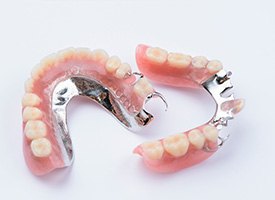
Having large gaps between your teeth can cause myriad problems for your mouth. In addition to making it harder to chew and enunciate your words, it can also cause jawbone deterioration and tooth drift, which can eventually lead to the loss of more teeth.
Partial dentures can help solve many of these problems. They are typically made of acrylic “gums” and crowns that are durable and lifelike and won’t damage nearby teeth. Typically, they secure in place with metal clips or clasps and are removable for cleaning and soaking overnight.
Full Dentures
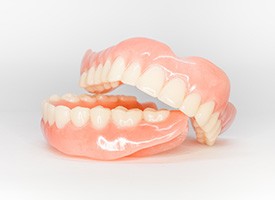
Full dentures are ideal for patients who are missing all the teeth on an arch. They secure in place using natural suction, so you can use them to smile, speak, and eat confidently. The base of your full dentures is custom crafted to fit the precise measurements of your individual mouth, so they not only look like your real smile, but they feel like real teeth and gums, too.
Implant Dentures
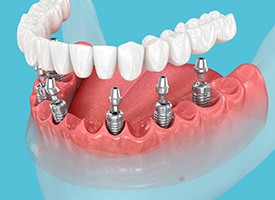
Implant dentures are just as natural looking as full dentures, but they secure in place permanently with four to six dental implants that are attached to your jaw. To receive this treatment, you will need sufficient jawbone density. Implant dentures are ideal for anyone who isn’t happy with traditional dentures, and who doesn’t want to deal with removing them for cleaning and soaking. Furthermore, because they’re attached to your jaw, implant dentures won’t slip or cause painful denture sores like traditional dentures sometimes do, and since they’re designed for the long-term, they won’t need to be replaced every five to seven years like removable dentures, saving you both time and money.
How Dentures are Made
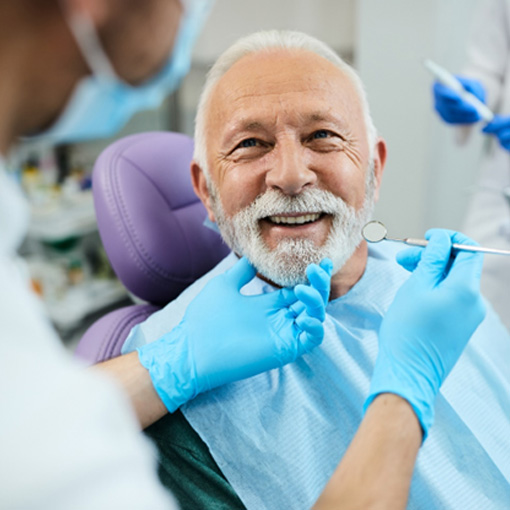
Some patients are surprised to learn that it can sometimes take a few weeks to be fitted for dentures. However, this wait time is partly because your new teeth are carefully customized at each stage of their design and creation to match your smile seamlessly for beautiful results.
If you’re curious about the process, continue reading to learn more about how dentures are made so you can appreciate your restoration that much more once it’s completed and delivered!
What are Dentures Made Of?
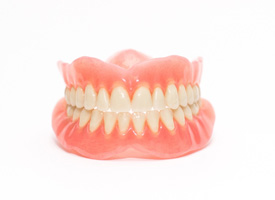
These prosthetics consist of two main parts, which are outlined with additional details below:
- The base. The foundational structure that gives your new teeth their shape, strength, and structure. It can be made from different materials, such as nylon, resin, or porcelain, but acrylic is the standard choice because it can be color-matched and carved to resemble your connective tissues. Partial dentures often include metal clasps that clip to your teeth to stay in place.
- The artificial teeth (pontics). The artificial teeth themselves are often made from tooth-colored resin or porcelain, but the latter is more popular. It can be customized to look like your natural enamel and tends to last longer, though it’s not always ideal for partial dentures because it can be hard on neighboring natural teeth.
The Denture Creation Process
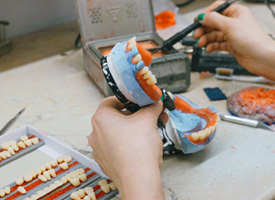
It might vary slightly based on your unique circumstances, but typically, creating your dentures requires the following step-by-step process:
- Step 1: Yu will examine your mouth to ensure you’re a good candidate, and if you are, will begin by making digital impressions of your teeth and gums to create an accurate model, which helps ensure your dentures fit correctly.
- Step 2: Your information and images are sent to a dental laboratory, where a technician begins by making a wax version of the gum line on the model.
- Step 3: Pontics made out of acrylic resin are set in place using a device called an articulator, and the wax connective tissues are carved and shaped to look as lifelike as possible.
- Step 4: The wax version is returned to our office so we can schedule you for a fitting. We’ll note any required adjustments and send your restoration back to the lab for finalization. We may provide a temporary set or all-on-4 dentures for you to wear until they arrive.
- Step 5: At the lab, the technician will place the wax dentures in a flask and pour plaster inside to retain their shape. Then, the container is placed in boiling water to melt away the soft material.
- Step 6: Holes are made in the artificial teeth, and a separator is added to the plaster to keep acrylic from sticking to it. Then, the acrylic is injected into the flask to replace the melted wax gumline.
- Step 7: The plaster is carefully removed, and your dentures are placed in an ultrasonic bath for a thorough cleaning.
- Step 8: Excess acrylic is trimmed away, and your new teeth are polished to perfection.
- Step 9: When your dentures arrive at our office, we’ll contact you to ensure they fit and function as intended before sending you home with your recently restored smile!
Adjusting to Your New Dentures

It often takes about a month for your tongue, gums, and the other tender tissues inside your mouth to adjust to the presence of your dentures. During this time, you might feel sore and struggle to eat solid foods, or develop a lisp, slur, or other change in your speech patterns.
Thankfully, these symptoms are usually temporary and fade as you acclimate to your new teeth. In the meantime, you can ease the transition by sticking to softer foods, such as eggs, yogurt, blended smoothies, mashed potatoes, and applesauce. You might also practice reading out loud or recording yourself speaking at home so that you can rehearse challenging words or sounds (like “v”, “s”, and “th”) until you feel more confident in your enunciation.
The Benefits of Dentures
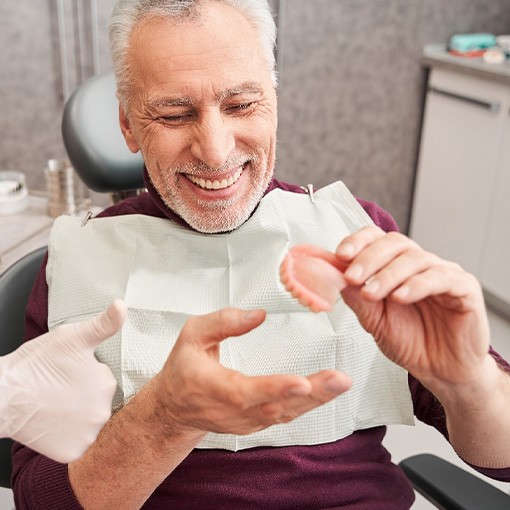
Tooth loss can make once-simple tasks, like eating, speaking, and smiling confidently, more challenging. Fortunately, regardless of how many teeth went missing, Dr. Yu can provide a lifelike set of dentures to restore your mouth’s function and appearance simultaneously.
This tried-and-true solution remains a popular treatment today, in part due to its many advantages. Continue reading to learn about several of the benefits of dentures to help decide if they’re right for you!
Psychological Benefits

Many patients struggle to accept changes in their appearance after losing one or more adult teeth. You might feel self-conscious about your looks or worry that people will judge you for your dental condition, and try to remain tight-lipped or avoid spending time with others.
It’s only natural to want to make a positive first impression, and wearing dentures enhances your smile so that you feel more confident and capable of putting your best foot forward.
Clearer Enunciation

Gaps in your grin can cause a lisp or other changes to your speaking patterns that can make it harder to communicate. Your tongue relies on two complete arches of teeth to form the different sounds needed to enunciate clearly.
Dentures function as artificial teeth so that you can relearn how to pronounce things correctly. It may take about a month for your mouth to fully acclimate to your restoration, and you might develop an additional lisp or slur until you do. But most patients overcome these concerns with enough time, patience, and practice.
Improves Nutrition

People missing adult teeth might also develop gastrointestinal issues or malnutrition from swallowing overly large pieces of food that haven’t been chewed thoroughly enough to be easily swallowed or digested.
Thankfully, dentures restore a portion of your original bite force, allowing you to enjoy a wider variety of wholesome foods that support your oral and overall well-being. For instance, dairy products like milk, yogurt, and cheese are rich in calcium for strong teeth and bones, and many leafy greens and citrus fruits are high in vitamin C to support healthy connective tissues.
Preserves Oral Health

Any remaining teeth in your mouth are prone to shifting out of place to fill in empty spaces left behind. This can wear down your enamel unevenly, contributing to tooth decay or other issues, as well as bite misalignment or TMJ (temporomandibular joint) aches.
Wearing your new teeth helps ensure that everything remains in its rightful place to protect your dental health.
Expands Opportunities

Did you know that studies have shown that having dental issues, such as tooth loss, is negatively associated with the probability of being employed? The condition of your grin can communicate a lot about you, and wearing dentures can enhance your smile and boost your confidence.
This, in turn, can contribute to better professional or educational achievements, a busier social calendar, and deeper, more meaningful relationships.
Understanding the Cost of Dentures
When you’re missing teeth, adding stress by contemplating the cost of dentures can feel overwhelming. At Avant Dentistry, we want you to understand exactly what goes into each custom-made prosthetic, so you can make confident, informed decisions. From materials to preparatory treatments, we’ll walk you through your options and help you find affordable dentures in Chevy Chase that fit your needs, lifestyle, and budget.
Factors that Affect the Cost of Dentures
Dentures aren’t a one-size-fits-all solution—they’re customized to meet the needs of each patient. Several important factors influence your final investment, including:
- Preparations Needed: If you need procedures like tooth extractions or gum disease treatment before getting dentures, these services will add to the total cost.
- Type of Acrylic: High-quality acrylics tend to be more durable, stain-resistant, and natural-looking than basic materials. While they may cost more upfront, they often feel better and last longer.
- Type of Replacement Teeth: Premium denture teeth are crafted to mimic natural enamel in shape, color, and translucency. Lower cost options are available, but they may not look for feel ideal.
When considering your personal investment, it’s important to remember that the cheapest options aren’t always the best ones for your smile.
Are Implant Dentures More Expensive?
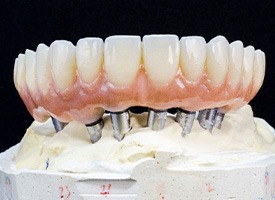
Yes, implant dentures are generally more expensive than traditional ones. However, the extended benefits often far outweigh the added costs.
Implant dentures are secured in place with several dental implants anchored into your jawbone. This configuration provides superior stability, prevents slipping, and helps preserve bone density over time. Many patients tell us they can also eat a wider variety of foods and feel more confident in their everyday lives. For some patients, that assuredness can be well worth the additional investment on its own.
Does Dental Insurance Cover Dentures?

In many cases, yes. Dentures are usually considered a “major” procedure by dental insurance companies, which means they’re often covered at around 50%. However, coverage can vary widely depending on your specific plan and provider.
This is why it’s always important to review your benefits or contact your insurance company directly. At our Chevy Chase dental office, we’ll help you verify your coverage, estimate your out-of-pocket costs, and maximize any benefits available for your prosthetics.
Other Options for Making Dentures Affordable

At Avant Dentistry, we never want money to come between you and the treatment you need. That’s why we offer additional ways to keep care accessible.
We partner with Cherry Financing, which allows you to split your treatment cost into manageable monthly payments, often with flexible terms that fit your budget.
We also have a patient referral program, so you can tell your friends and family about us and receive referral credit on your account. There’s no limit to how much or how often you can apply these credits, so keep sending the people you care about to our doors, and you’ll keep gaining rewards.
Dentures Aftercare

A gorgeous set of dentures from our office in Chevy Chase can completely transform your smile into a gorgeous new state and make it easier for you to speak clearly and chew thoroughly, so you’ll certainly want to know how to keep your appliance in excellent shape for as long as possible. Here’s a quick guide to how you can keep your dentures beautiful and functional from the friendly team at Avant Dentistry.
Removable Dentures
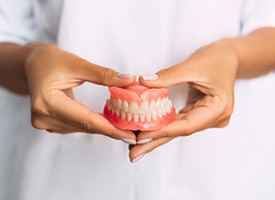
Remove After Eating
After each meal, remove and carefully rinse your dentures to prevent stains and loosen plaque and food debris. However, it’s crucial to refrain from using hot water since it can cause your restoration to warp and lose its fit.
Clean Your Restoration
You’ll need to remove your dentures for a thorough cleaning session at least once a day. When you do this, be sure to fill the basin of your sink with warm water and cover your countertop with folded towels to create a cushion in case you drop your appliance. After removing your dentures, clean them with a soft-bristled toothbrush and a little bit of mild dish soap, unscented hand soap, or an approved denture cleanser using gentle, short, circular strokes. Don’t use regular toothpaste since it is abrasive enough to scratch your artificial teeth. If you aren’t wearing your dentures immediately afterward, place them in a vessel of water or an approved denture cleanser to prevent them from drying out and warping. Before wearing your dentures after soaking, be sure to thoroughly rinse them to eliminate harsh cleaning agents.
Keep Your Dentures Safe
Before cleaning your dentures, be sure to create a cushion by filling your sink with warm water and placing folded towels across your countertop. This will help prevent or minimize damage if you drop your appliance. It’s also important to keep your restoration out of reach for children and small pets when not wearing it.
Remove Dentures When You Sleep
Continuous denture wear can lead to bad breath, gum recession, jawbone erosion, and nasty infections. To prevent this, remove and soak your dentures before going to bed. This will give your mouth the eight hours it needs to rest and clean itself daily.
Notice Changes
Pay attention to the condition of your dentures and report any troubling signs to Dr. Yu. Be on the lookout for irritation of the soft tissue as well as signs of infection like swelling, redness, bad breath, fever, fatigue, chills, or a foul taste in your mouth. It’s also important to check for problems with your appliance like chips, cracks, or signs of a poor fit like shifting or clicking. If your dentures are not functioning properly, please contact our office so we can have your appliance repaired or replaced as needed.
Dentures FAQs
Do Dentures Break Easily?
Dentures are very durable, but they aren’t made to last forever. They can last anywhere from five to seven years with a good denture-care routine. However, accidents can happen. One of the most common reasons for broken dentures is dropping them while cleaning, inserting, or removing them. Dentures can also break or fracture if they fit poorly or have any small defects in their base, like scratches and notches. Even if you take excellent care of your dentures, they can get worn down from repeated use and stress.
Are Denture Adhesives Safe?
Denture adhesives are safe to use on a limited basis or when prescribed by your dentist. Be especially careful of any products that contain zinc, as they can lead to health issues when the adhesive is overused. At the end of each day, make sure that you completely remove any adhesive material so the dentures can be thoroughly cleaned. It is recommended by the FDA that you do the following:
- Follow the instructions provided with the adhesive
- Don’t use more adhesive than recommended
- Be aware that not all products list their ingredients
- Stop use if you experience any numbness or tingling
- Keep track of how much adhesive you are using
Can I Reline My Dentures Myself?
In recent years, you may have seen videos online of people relining their own dentures at home. The truth is that it isn’t a good idea to attempt to do this yourself. You should see a trained dentist instead. If you aren’t careful, DIY relining could make the fit even worse! Your dentist will be able to get a better view of your mouth and ensure that the denture is custom-fit for your smile.
Can I Sleep with My Dentures?
It is typically recommended by dentists that you remove your dentures at night when you go to sleep. When you first get your dentures, you will likely be told to keep them in your mouth for the first 24 hours, including when you sleep. After this, you should be taking them out each evening. Wearing dentures restricts the circulation in your gums, leading to soft tissue irritation and potentially speeding up ridge resorption. Taking your dentures out gives the gums a chance to recover and get the nutrients they need. The space underneath the dentures is also an ideal place for bacteria to thrive, so it is best to take them out when you go to bed.