Sleep Apnea Therapy - Chevy Chase, MD
I'm Worried About Snoring & Sleep Apnea

When a patient struggles to breathe easily while sleeping, the cause can often be sleep apnea. Obstructive sleep apnea (OSA) is the most common form and affects millions of people in the United States. At Avant Dentistry, Dr. Yu provides safe and effective solutions to help patients sleep better and breathe easier. Contact us today to learn if you are a candidate for sleep apnea therapy in Chevy Chase, MD.
Why Choose Avant Dentistry for Sleep Apnea Treatment?
- Member of the American Academy of Sleep Medicine
- Dentist with 20+ Years of Experience
- Advanced Solutions to Improve Sleep
What Is Sleep Apnea?
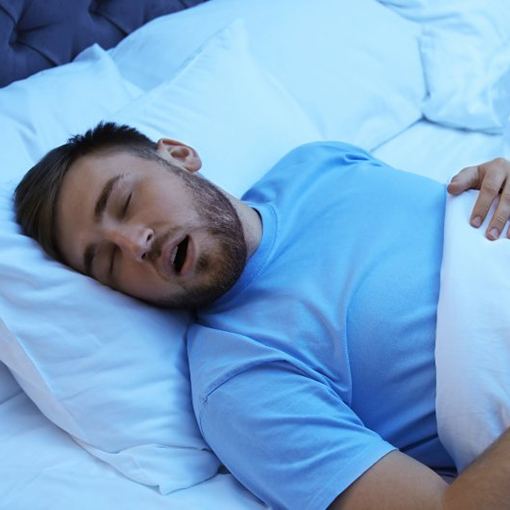
Sleep apnea is a frustrating health condition that can disrupt a patient’s sleep up to a hundred times or more in a single night, and it usually happens due to the relaxing muscle tissues in the neck constricting the airway during sleep. You may have sleep apnea if you experience symptoms like:
- Grogginess
- Forgetfulness
- Irritability
- Depression
- Trouble staying awake
- Overeating
- Overreliance on stimulants like coffee and nicotine
- Falling asleep while driving
Luckily, the team at Avant Dentistry is trained and equipped to treat sleep apnea with specialized appliances, and we can also diagnose the condition with the Ares Home Sleep Test.
The Dangers of Sleep Apnea

Sleep apnea can deprive a person of rest and leave them vulnerable to a host of long-term health consequences. The condition is associated with issues like stroke, cardiovascular disease, and diabetes, and some sufferers have sustained injuries due to falling asleep while operating heavy machinery.
Who Is at Risk for Sleep Apnea?
Sleep apnea can affect anyone, including people who are young, active, and at a healthy weight. However, certain factors make it significantly more likely. You may be at higher risk if you:
- Are a man over 50. Men are two to three times more likely to develop sleep apnea than women, and the risk rises with age as the muscles of the throat lose tone.
- Are a woman in perimenopause, menopause, or post-menopause. Estrogen and progesterone help keep the airway muscles firm. As these hormones decline, a woman’s risk of sleep apnea rises sharply, often to the same level as men’s. Symptoms like poor sleep, fatigue, and night sweats are frequently attributed to menopause alone, so sleep apnea often goes undiagnosed.
- Have a larger neck circumference. A neck measuring more than 17 inches for men or 16 inches for women can mean more soft tissue around the airway, making it easier to collapse during sleep.
- Are carrying extra weight. Excess tissue around the neck and throat can narrow the airway.
- Have certain facial or airway features. A smaller or recessed lower jaw, a large tongue, enlarged tonsils, or a narrow airway can all restrict breathing.
- Have chronic nasal congestion. Difficulty breathing through your nose can lead to mouth breathing and a more collapsible airway.
- Have a family history of sleep apnea.
- Drink alcohol or take sedatives before bed. These relax the throat muscles and can make airway collapse more likely.
- Smoke. Smoking increases inflammation and fluid retention in the upper airway.
- Have related health conditions. Sleep apnea is closely linked to high blood pressure (especially when it’s difficult to control), type 2 diabetes, heart disease, atrial fibrillation, stroke, hypothyroidism, and polycystic ovary syndrome (PCOS).
If any of these apply to you, especially alongside symptoms like snoring, daytime fatigue, or waking up unrested, Dr. Yu can help you find answers with a convenient at-home sleep test.
Can Children Have Sleep Apnea?
Yes. Sleep-disordered breathing affects children too, and it often looks very different than it does in adults. While an occasional snore during a cold or allergy flare-up is common, regular snoring is never normal for a child. It’s a sign that their airway may be partially blocked during sleep.
Instead of daytime sleepiness, children with sleep-disordered breathing often show signs such as:
- Snoring, gasping, or pauses in breathing during sleep
- Mouth breathing, day or night
- Restless sleep or unusual sleeping positions, such as with the neck extended
- Bedwetting after they’ve already been dry at night
- Teeth grinding
- Dark circles under the eyes
- Hyperactivity, irritability, or trouble focusing, which are sometimes mistaken for ADHD
- Difficulty in school
- Slowed growth
Because a child’s face and jaws are still developing, treatment for children is very different from treatment for adults. In many cases, enlarged tonsils and adenoids are the cause, and an ear, nose, and throat (ENT) specialist may recommend having them removed. Other children benefit from orthodontic treatment that guides jaw growth and widens the airway, or from therapy to correct mouth breathing and tongue posture. Addressing these issues early, while a child is still growing, can make a lasting difference in their health, sleep, and development.
If you notice signs of sleep-disordered breathing in your child, Dr. Yu can help identify warning signs during their dental visit and refer you to trusted specialists, including your child’s pediatrician, a pediatric ENT, and an orthodontist experienced in airway health and facial growth and development.
At-Home Sleep Test

Dr. Yu can provide a patient with the Ares™ Home Sleep Test and instructions for how to wear it for a few nights. Using sophisticated sensors, the device will gather various data points concerning your sleep breathing patterns. Not only is it easy to use and comfortable to wear, but it’s also highly accurate and provides comprehensive data that can be used to create a formal diagnosis.
Sleep Apnea Treatment Options
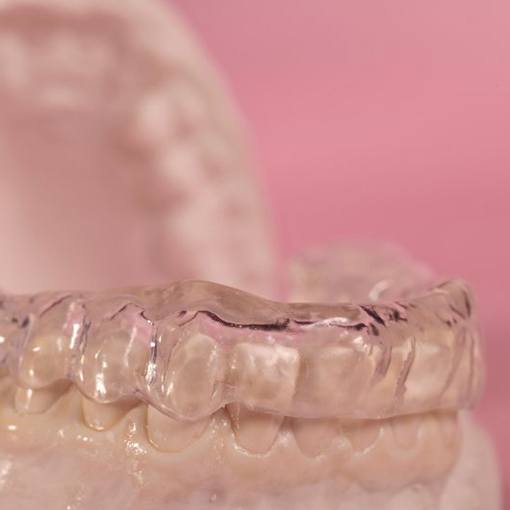
Treatment from Dr. Yu can help patients achieve a better quality of life thanks to improved sleep and easy breathing. As a member of the American Academy of Sleep Medicine, Dr. Yu provides safe and effective sleep apnea treatment for individuals struggling to breathe freely when they rest. Offering at-home testing and various sleep appliances, she also employs a special system known as the Seattle Protocol. This unique six-step process can help Dr. Yu determine how to help a patient with obstructive sleep apnea sleep easier.
Somnomed’s dorsal fin
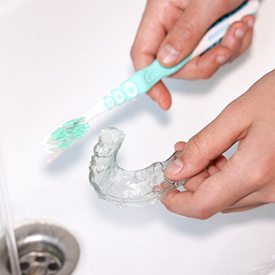
Dr. Yu never wants patients to feel hopeless about their sleep apnea diagnosis, which is why she is pleased to offer an appliance called Somnomed’s dorsal fin. This device is worn in the mouth while sleeping to help keep the airway open. The appliance pushes the jaw forward using appendages called “fins.”
Herbst Appliance
Dr. Yu offers Herbst appliances, which can also be used for orthodontic corrections and TMJ therapy. This device will help a patient keep their airway open during sleep, and it allows for lateral and vertical movement.
Sleep Apnea FAQs
Does Everyone Who Snores Have Sleep Apnea?
Not everyone who snores has sleep apnea, and not every with sleep apnea snores. However, loud snoring is one of the most common and notable symptoms of sleep apnea. If you or your sleeping partner notice that you have been snoring, this is a good reason to see a professional to get to the bottom of the issue. To determine if sleep apnea is the reason for your snoring, you will need to undergo a sleep study. If you receive a positive diagnosis, steps can be taken to help you get the quality sleep you need to thrive during the day.
Will My Sleep Apnea Go Away If I Lose Weight?
The short answer is: It’s possible! Being overweight is a major risk factors for obstructive sleep apnea. Excess weight and tissue can block the airway, so losing this weight can reduce this harmful tissue. However, there is a possibility that you could continue to have sleep apnea after reaching a healthy weight. You will need to complete another sleep test to figure out if you still have the disorder. Other factors, including the shape of your airway, genetics, age, and muscle tone, can also contribute to sleep apnea. Because of this, weight loss could improve symptoms significantly, but it doesn’t always eliminate the condition completely.
Will My Oral Appliance Therapy Make CPAP Treatment Unneeded?
CPAP works by physically forcing air through the airway with a mask that is worn during sleep. Only about half of people who are prescribed CPAP therapy actually use it as directed. This is often because patients find it uncomfortable and impractical. In some cases, an oral appliance can replace CPAP therapy. In severe cases of sleep apnea, a combination could be needed. We use customized oral appliances to push your lower jaw forward, keeping your airway open.
How Should I Maintain My Oral Appliance?
It is crucial that you keep your oral appliance clean to reduce your likelihood of developing cavities, gum disease, and other infections. You should gently brush and rinse your oral appliance every morning. When you aren’t wearing it, keep it in its case. Specialized denture cleaners can also be used to keep your oral appliance clean and fresh. Proper cleaning helps to prevent the buildup of bacteria, plaque, and odors that can develop over time. Following these simple care instructions can help to extend the life of your appliance and ensure that it remains comfortable to wear. Regular maintenance is an important part of protecting both your oral health and the effectiveness of your treatment.
My Sleep Study Says I Don’t Have Sleep Apnea, but I Still Feel Exhausted. What Does That Mean?
A “normal” sleep study doesn’t always mean your sleep is healthy. Sleep studies measure your Apnea-Hypopnea Index (AHI), the average number of times per hour your breathing stops or becomes significantly reduced for 10 seconds or longer. An AHI under 5 is generally considered normal, and insurance companies use this number to decide whether treatment is covered. That means you may be told you “don’t have sleep apnea” simply because you fell below the threshold for diagnosis and coverage.
But AHI doesn’t capture everything. Breathing pauses shorter than 10 seconds aren’t counted, and neither are many episodes of partial airway narrowing that still disrupt your sleep. This is often called sleep-disordered breathing, and it exists on a spectrum, with snoring at one end and obstructive sleep apnea at the other. One form, called upper airway resistance syndrome (UARS), occurs when a narrowed airway makes you work harder to breathe, causing brief awakenings throughout the night that leave you feeling unrested, even though your AHI may appear normal. Left unaddressed, sleep-disordered breathing can worsen over time.
Common signs of sleep-disordered breathing include:
- Snoring
- Waking up tired, even after a full night’s sleep
- Daytime fatigue or relying on coffee to get through the morning
- Teeth grinding or clenching
- Morning headaches or a dry mouth
- Trouble concentrating
If this sounds familiar, Dr. Yu can evaluate your airway and discuss whether a custom oral appliance could help you breathe and sleep better, even if your sleep study didn’t qualify you for insurance-covered treatment.